01
Design the scenario.
Attack, accident, insider threat: our consultants design situations your organisation wants to practise. Experience with actual attacks and losses informs their relevance, in light of your operations and objectives.

CYBER CRISIS MANAGEMENT EXERCISES
Practise decisions before a crisis.
Stelau designs, prepares and facilitates the cybersecurity side of your crisis management exercises. Scenarios grounded in reality, carefully prepared materials and facilitation that puts your teams in a position to make decisions.
01 / From scenario to control room
Attack, accident, insider threat: our consultants design situations your organisation wants to practise. Experience with actual attacks and losses informs their relevance, in light of your operations and objectives.
Information messages, technical exhibits, role cards, responses and an event schedule: every item is prepared in advance. Sender, recipient, content and timing must form a credible, consistent set that the exercise controllers can use.
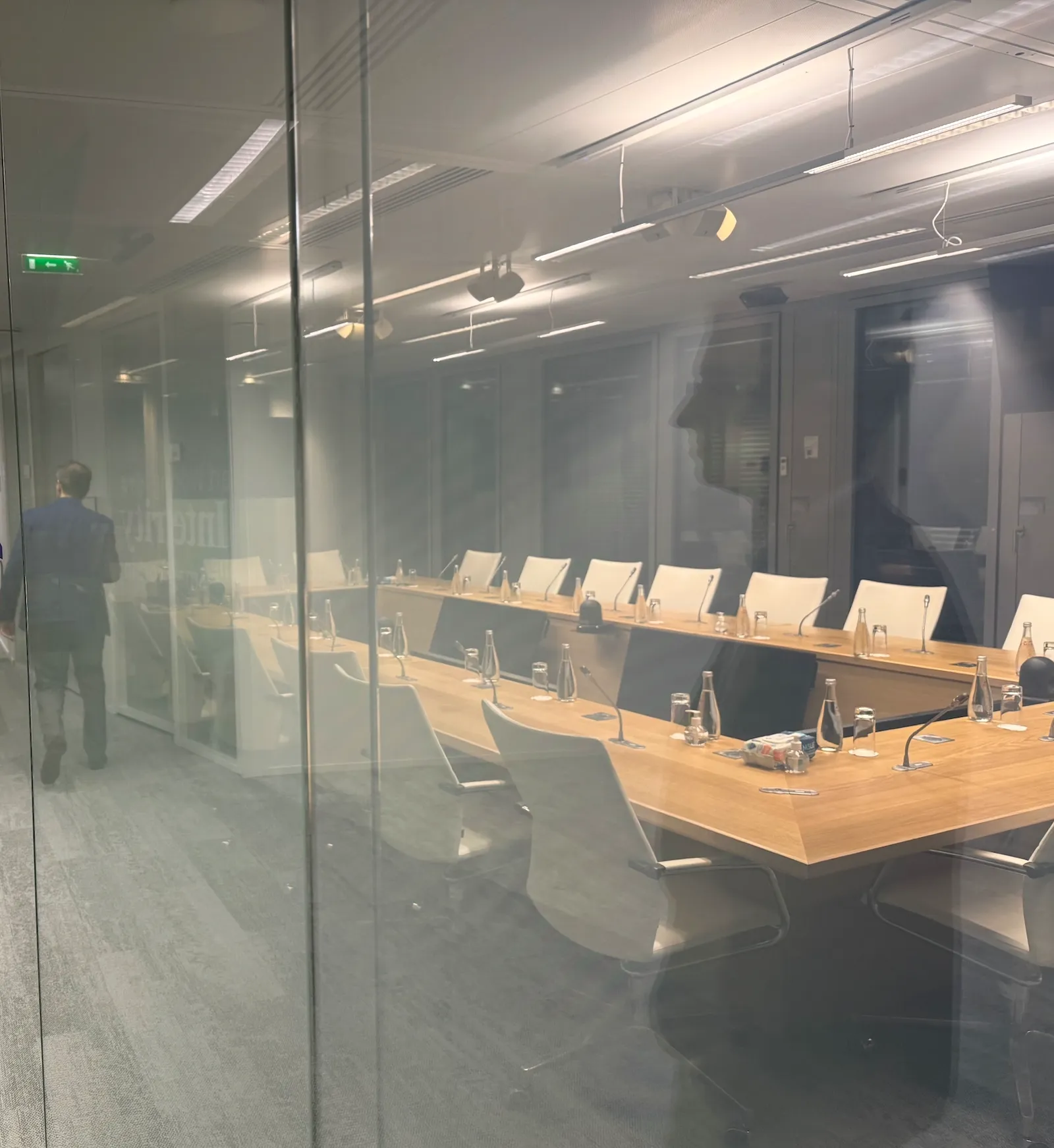
On the day, Stelau works in the exercise control room. We play IT providers, user support, public-authority contacts and personnel involved, introducing cyber events and responding to participants’ decisions.
02 / Quality of preparation
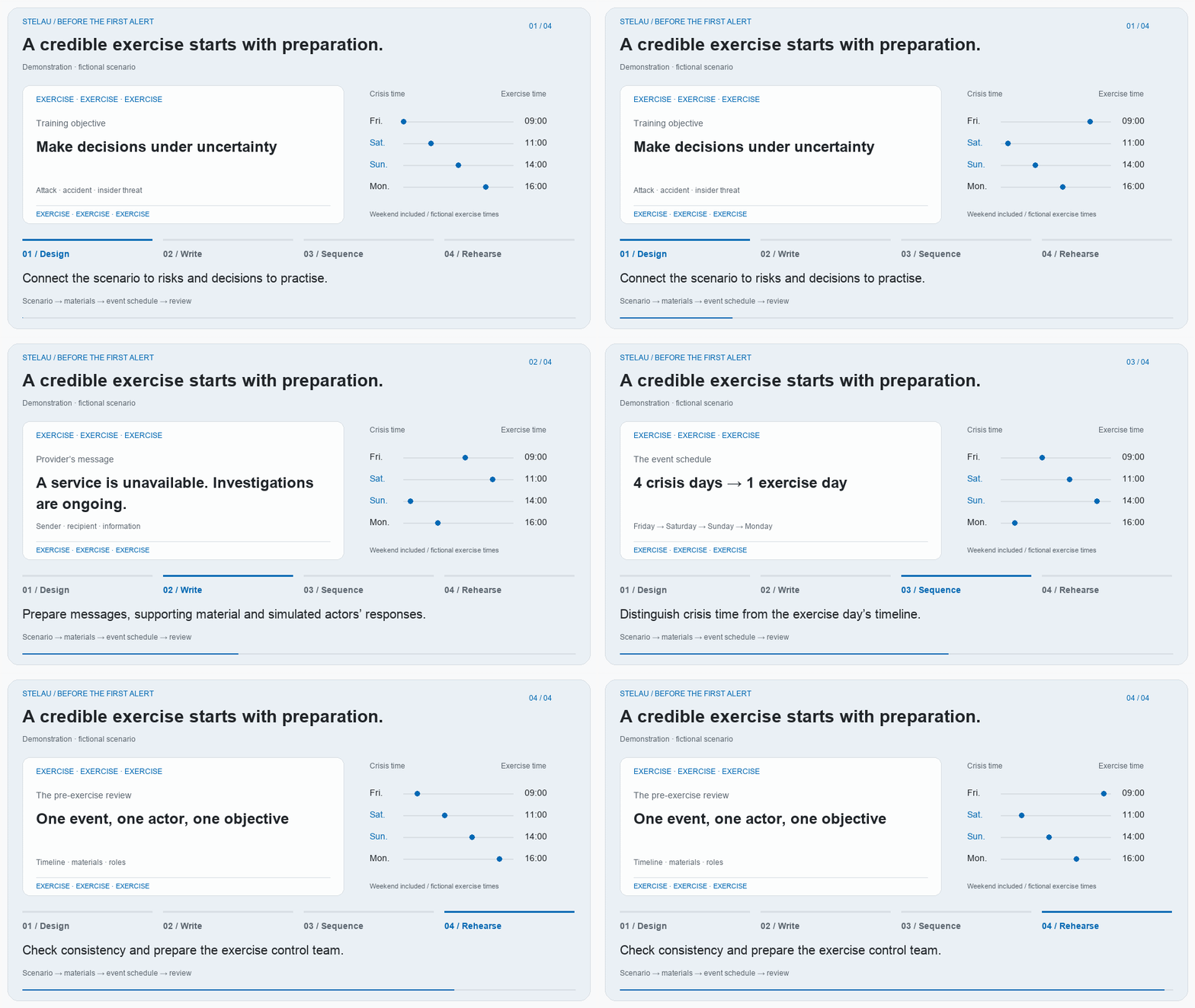
A scenario can span four days, including a weekend, played out in one day. We prepare the pacing, available information and interactions, then check their consistency before the first inject.
STELAU / BEFORE THE FIRST ALERT
Connect the scenario to risks and decisions to practise.
Prepare messages, supporting material and simulated actors’ responses.
Distinguish crisis time from the exercise day’s timeline.
Check consistency and prepare the exercise control team.
Educational demonstration · fictional scenario. Events, actors and timings are adapted to the organisation taking part.
“EXERCISE, EXERCISE, EXERCISE”. This marker accompanies exercise communications to identify the simulation. Instructions and communication channels are agreed at the briefing.
03 / Turn practice into progress
Gather perceptions, share observations and identify initial lessons about decisions, information sharing and coordination.
Cross-check the timeline, review reactions with perspective and identify practical improvements. Prepared materials and observations give the lessons-learned review a sound basis.

References for setting objectives, structuring the exercise, preparing communication and organising lessons-learned reviews.